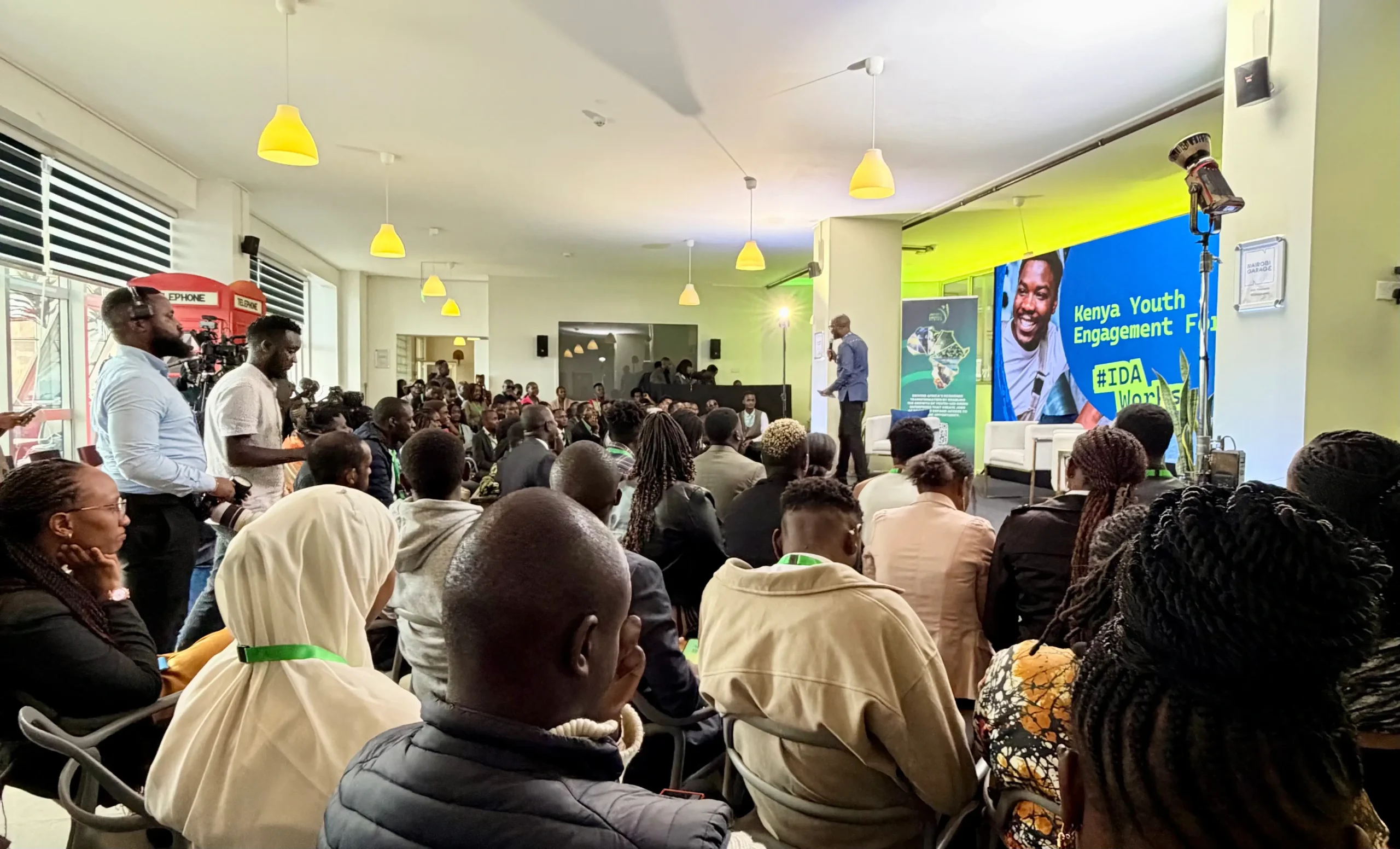
The Kenya Youth Engagement Forum, convened by Jacob’s Ladder Africa in collaboration with the International Development Association (IDA), brought together a diverse mix of young leaders, policymakers, development partners, and civil society actors in Nairobi to explore practical pathways for youth inclusion in national development.
The forum came at a time when Kenya, like much of Africa, is experiencing a demographic shift where over 70 percent of the population is under the age of 35. This reality has placed youth employment, skills development, and civic participation at the center of national and continental development discussions. Institutions such as Jacob’s Ladder Africa have consistently emphasized that unlocking youth potential is essential for driving sustainable economic transformation, particularly through innovation and green economy pathways.
A Forum Built on Action-Oriented Dialogue
Unlike traditional conferences, the Kenya Youth Engagement Forum was structured to move beyond speeches and toward solutions. Discussions focused on how young people can be meaningfully integrated into systems that shape economic opportunity, governance, and innovation.
Key themes included:
- Youth employment and skills development in a rapidly changing labor market
- Digital innovation and the future of work
- Climate resilience and green job opportunities
- Strengthening youth participation in decision-making processes
- Building partnerships between youth, government, and development institutions
Across the sessions, there was a clear emphasis on shifting from consultation to co-creation, ensuring that young people are not only included in discussions but are actively involved in designing solutions.
Youth Employment and Structural Challenges
A recurring issue throughout the forum was the challenge of youth unemployment and underemployment, which continues to affect millions of young people entering the labor market each year. Kenya’s youth population faces barriers such as limited access to skills aligned with emerging industries, informal job structures, and gaps between education and labor market needs. These concerns reflect broader regional trends that development actors are actively trying to address through skills-based initiatives and green economy transitions.
Participants emphasized that addressing these challenges requires coordinated efforts across sectors, including government policy reforms, private sector investment, and stronger youth-led innovation ecosystems.
The Role of Storytelling and Youth Narratives
A key contribution of youth participants at the forum was the emphasis on storytelling as a tool for change. Beyond statistics and policy discussions, there was a strong recognition that lived experiences provide powerful insights into the realities young people face.
Through storytelling, youth are able to:
- Highlight community-level innovations often overlooked in formal systems
- Document grassroots solutions in climate action, entrepreneurship, and digital work
- Influence public perception and policy by humanizing development challenges
- Strengthen advocacy for inclusive and youth-centered policies
This approach aligns with a growing movement across Africa where youth platforms are using media and digital tools to shape narratives around development, climate action, and economic transformation.
Climate Action and the Future of Work
The forum also connected youth engagement with the broader green economy agenda. Organizations like Jacob’s Ladder Africa have been instrumental in promoting green skills development and preparing young people for emerging opportunities in renewable energy, regenerative agriculture, and sustainable enterprise development.
This aligns with ongoing initiatives across Kenya aimed at linking climate action with employment creation, ensuring that environmental sustainability also translates into economic opportunity for young people.
Building Stronger Partnerships for Youth Inclusion
One of the strongest outcomes of the forum was the shared understanding that meaningful youth empowerment cannot happen in isolation. It requires collaboration between multiple stakeholders, including:
- Government institutions shaping policy frameworks
- Private sector actors driving investment and innovation
- Development organizations providing technical and financial support
- Youth-led organizations contributing lived experience and creativity
Participants emphasized that partnerships must move beyond symbolic inclusion to structured collaboration where youth have decision-making power and access to resources.
Conclusion: From Dialogue to Implementation
The Kenya Youth Engagement Forum served as more than a convening; it was a reminder that Kenya’s youth are already active contributors to national development. What is needed now is the scaling of platforms, funding, and systems that allow youth-led ideas to grow into sustainable solutions.
As discussions concluded, one message stood out clearly: the future of Kenya’s development will be defined not only by how many young people are included, but by how meaningfully they are empowered to lead.