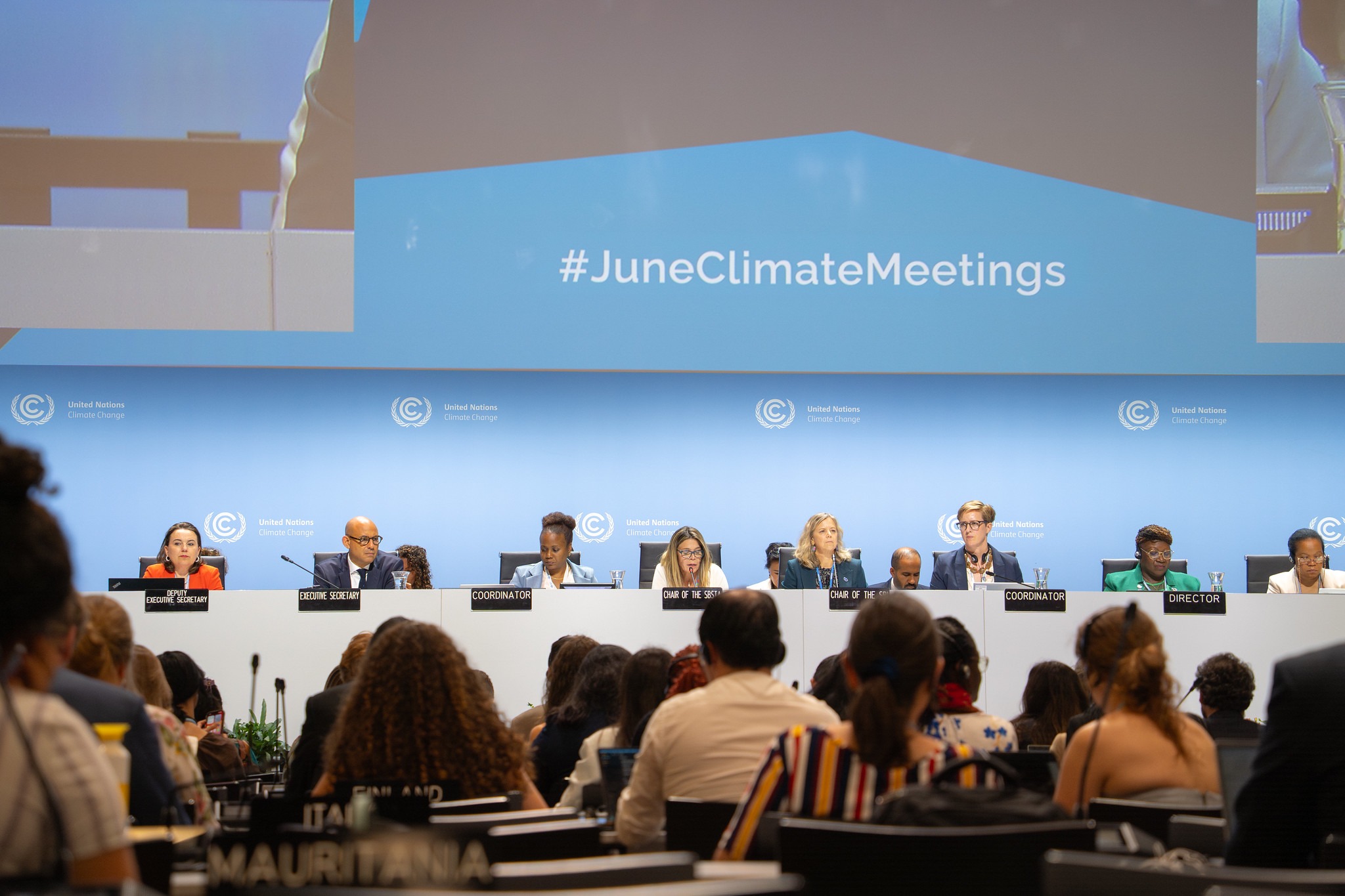

The UNFCCC’s COP (Conference of the Parties) process is the world’s main multilateral mechanism for confronting climate change. COP30, held from 10–21 November 2025 in Belém, Brazil, was the 30th such conference.
The summit brought together nearly all UNFCCC member states, including governments and negotiators, along with civil society, Indigenous groups, scientists, business leaders, youth, media, and other stakeholders. COP30 came at a moment when climate science, extreme weather events, and social pressure demanded urgent and tangible action, not just pledges. The summit presidency framed COP30 as the “Implementation COP”, focused on making existing commitments real and bridging the gap between ambition and action.
COP30 was widely seen as a critical test of whether the global community can move from talk to implementation on mitigation, adaptation, finance, equity, and justice.
Key Outcomes of COP30: The “Belém Package”
When COP30 concluded, delegates issued the “Belém Package”, a set of decisions and initiatives designed to guide climate action in the coming years.
1. Adaptation and Finance
- Parties agreed to triple adaptation finance by 2035, aiming to help vulnerable countries cope with climate impacts such as droughts, floods, and sea-level rise.
- The Global Goal on Adaptation (GGA) was adopted, including a first-ever set of 59 global indicators to track adaptation progress.
- A “just transition” work programme was launched to support equitable transitions to green economies, including capacity-building and technical support.
2. Implementation and Cooperation Mechanisms
- A Global Implementation Accelerator was introduced to help bridge the gap between national climate pledges (NDCs) and the 1.5 °C pathway.
- The “Belém Mission to 1.5” was established to foster international cooperation across mitigation, adaptation, and investment.
- A dialogue was agreed upon to clarify and advance financial flows, technology transfer, and capacity-building under the Paris Agreement.
3. Inclusion, Justice, and Broader Climate Dimensions
- COP30 expanded the conversation beyond emissions, reaffirming attention to social development, human rights, equity, and just transitions.
- Discussions included land, forests, oceans, and biodiversity, although outcomes were more limited than hoped.
What COP30 Failed to Deliver
Despite progress, many observers called COP30 too weak in the face of the climate emergency.
1. Fossil-Fuel Phase-Out and Deforestation
- No binding roadmap for phasing out fossil fuels was agreed, due to resistance from oil-producing nations.
- References to halting and reversing deforestation, especially critical in the Amazon, were watered down or omitted.
- COP30 relied on non-binding or voluntary “side” roadmaps, lacking formal enforcement.
2. Weak Signals Compared to Scientific Urgency
- Adaptation finance pledges remain vague, with unclear sources, timelines, and governance.
- GGA indicators were criticized as overly general and unlikely to capture on-the-ground realities in many vulnerable regions.
- Civil society noted the absence of binding commitments on fossil fuels and deforestation as a major shortcoming.
3. Missed Opportunities and Frustration
- Vulnerable countries expressed disappointment that political and economic divides hindered bold, justice-oriented outcomes.
- Geopolitical realities, fossil-fuel interests, and sovereignty issues continue to limit collective ambition.
Reactions: Mixed but Hopeful
- COP30’s president, André Corrêa do Lago, acknowledged that entrenched positions slowed progress and suggested exploring “action-first” processes outside the formal COP track.
- Environmental and civil society groups criticized the lack of fossil-fuel and deforestation commitments, calling the summit a “clumsy compromise.”
- Some governments and businesses welcomed the adaptation finance commitments, implementation mechanisms, and focus on equity and resilience.
- The private sector is monitoring new frameworks like the Implementation Accelerator and Just Transition pathways, which may unlock green investment and technology transfer.
What COP30 Means and What Comes Next
Implementation Over Negotiation
COP30 emphasized action and follow-through over further negotiations. The success of new mechanisms like the Belém Mission to 1.5 depends on transparent finance, real support, and accountability.
Fossil-Fuel Exit and Forest Protection
With no binding commitments, the main drivers of climate change remain under-addressed. The climate community sees this as a missed turning point.
Adaptation, Resilience, and Equity
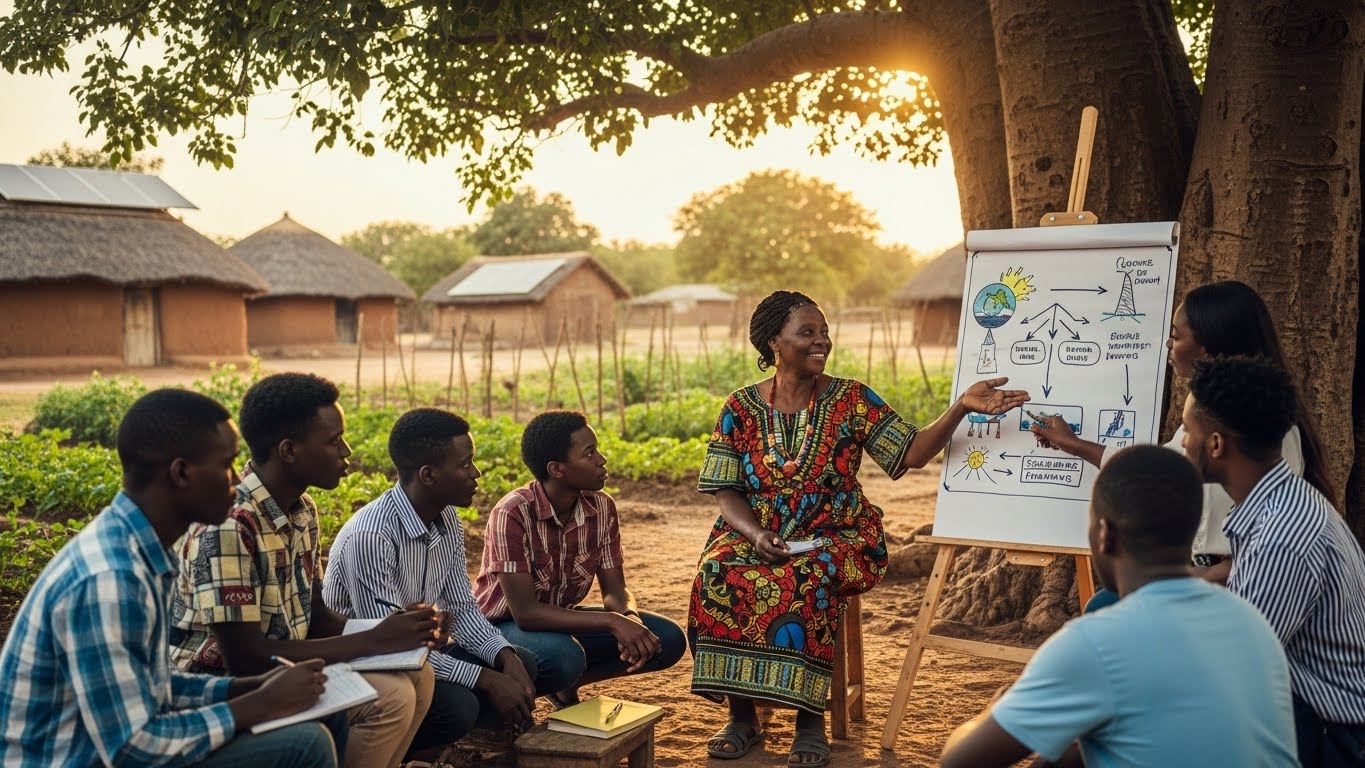
For vulnerable countries, particularly in Africa, small islands, and coastal zones, COP30’s adaptation finance and just-transition framework offer hope if properly implemented.
The COP Model Under Scrutiny
Consensus-driven negotiation and veto powers by fossil-fuel states have prompted calls for reforms, including smaller action-oriented coalitions or more reliance on civil society and private sector leadership.
Momentum Depends on Political Will
COP30’s success now depends on whether countries, investors, communities, and civil society use the new mechanisms to support vulnerable populations and drive green transitions.
COP30: A Step Forward, But Not Enough
COP30 delivered useful building blocks such as adaptation finance, implementation mechanisms, and just-transition frameworks, which could benefit communities worldwide.
However, by failing to secure a fossil-fuel phase-out or strong forest-protection measures, the summit avoided confronting the heart of the climate crisis. In a moment when science demands emergency-level mitigation, what emerged from Belém is more compromise than turning point.
The real test is now implementation. If countries, civil society, youth, and Indigenous movements leverage the tools COP30 offered to drive action in adaptation, resilience, equity, and green investment, the summit could still mark progress. If inertia prevails, the opportunity may be lost.
COP30 shows that climate cooperation is alive but fragile. The fight is not over. It may be the beginning of a more decentralized, action-oriented climate movement.