A warming shift in the Pacific Ocean known as El Niño could re-emerge as early as May 2026, according to climate scientists, triggering a cascade of weather disruptions across the globe. The development marks a critical moment for both vulnerable regions and global climate systems already under strain from rising temperatures.
What is happening in the Pacific
El Niño is part of a natural climate cycle called the El Niño–Southern Oscillation, which involves fluctuations in ocean temperatures and atmospheric conditions across the equatorial Pacific Ocean. During an El Niño phase, surface waters in the central and eastern Pacific become significantly warmer than average.
This warming alters wind patterns and shifts rainfall distribution worldwide. Scientists monitoring ocean temperatures and atmospheric signals say current conditions are aligning rapidly toward an El Niño event, potentially arriving sooner than expected.
A world of extremes
The return of El Niño often brings contrasting climate impacts across regions:
- Eastern Africa, including countries like Kenya, may experience above-average rainfall, raising the risk of flooding and landslides
- Southern Africa could face drier conditions, threatening agriculture and water supply
- Australia and parts of Southeast Asia typically see severe droughts and heatwaves
- South America’s west coast often experiences heavy rains and flooding
These shifts are not uniform or predictable at a local level, but the overall pattern tends to amplify climate extremes rather than stabilize them.
Rising temperatures on top of warming
One of the most significant concerns is how El Niño interacts with long-term global warming. The planet is already experiencing elevated temperatures due to greenhouse gas emissions. When El Niño develops, it adds an extra layer of heat.
Historically, the warmest years on record, including peaks observed during recent decades, have coincided with strong El Niño events. Scientists warn that a 2026 El Niño could push global temperatures to new highs, intensifying heatwaves and increasing pressure on ecosystems and human health.
Threats to food and water systems
Agriculture is particularly vulnerable to El Niño disruptions. Changes in rainfall and temperature can affect planting seasons, crop yields, and livestock health.
In regions dependent on rain-fed agriculture, such as much of sub-Saharan Africa, excessive rain can destroy crops through flooding, while drought conditions elsewhere can lead to food shortages. Fisheries are also impacted, as warmer ocean waters disrupt marine ecosystems and reduce nutrient availability.
Urban vulnerability and infrastructure risks
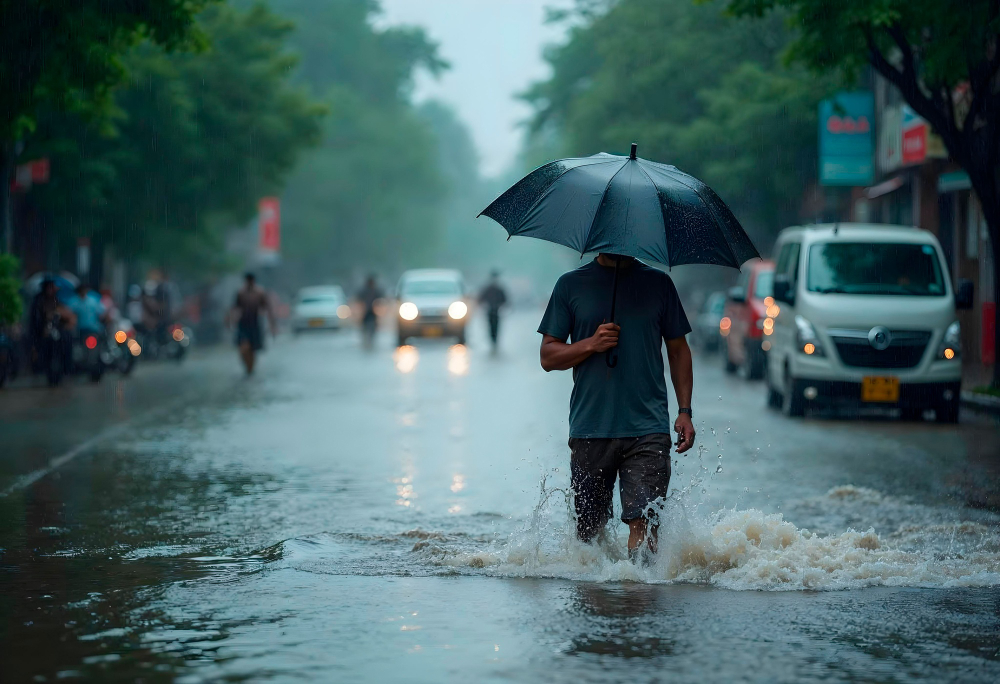
Cities, especially in developing regions, face heightened risks during El Niño events. Increased rainfall can overwhelm drainage systems, damage roads, and contaminate water supplies. Informal settlements in flood-prone areas are especially exposed.
For rapidly growing cities like Nairobi, planning for climate variability is becoming as important as long-term climate mitigation.
Early warning and preparedness
Meteorological agencies and governments are already monitoring the situation closely. Early warning systems are being strengthened to help communities prepare for floods, droughts, and extreme heat.
Experts emphasize that while El Niño is a natural phenomenon, its impacts are being intensified by human-driven climate change. This makes preparedness, adaptation, and resilience-building more urgent than ever.
A defining moment for climate action
The potential return of El Niño comes at a time when the world is already grappling with climate instability. It serves as a reminder that natural climate cycles and human-induced warming are now overlapping in ways that increase risk and uncertainty.
For policymakers, scientists, and communities, the message is clear: understanding and preparing for climate variability is no longer optional. It is essential for protecting lives, economies, and ecosystems in an increasingly unpredictable world.