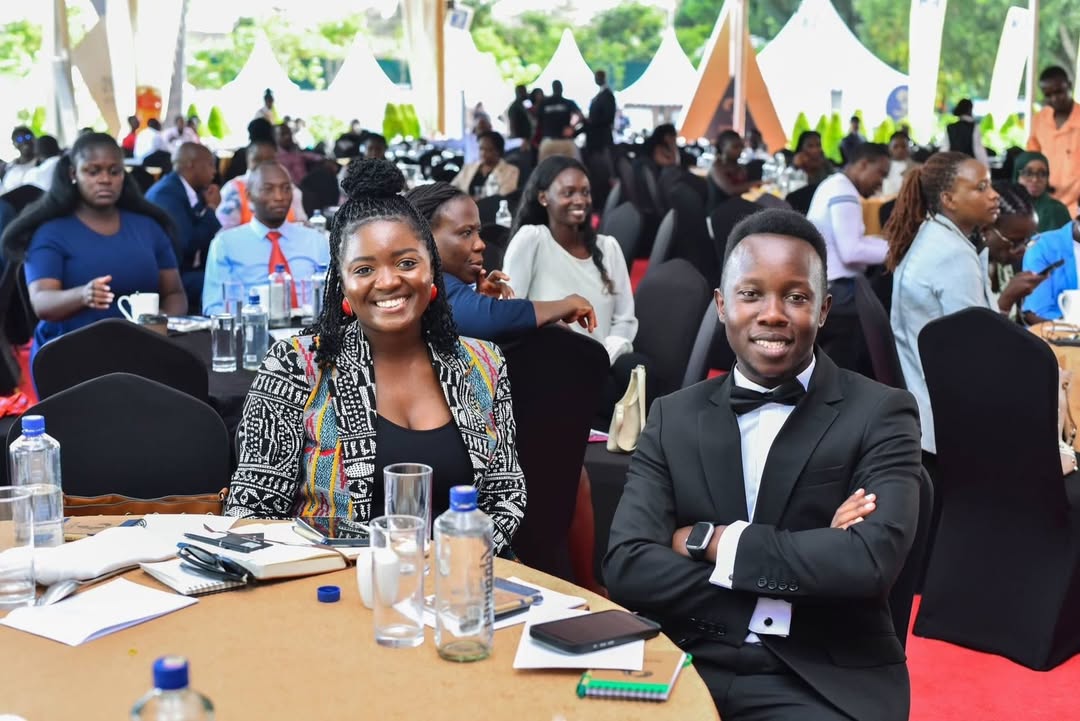
The Mandela Leadership Summit in Nairobi brought together a diverse mix of leaders, innovators, and young changemakers to reflect on the future of leadership in Africa and beyond. The gathering focused on ethical leadership, innovation, and the urgent need for collaboration across generations to address today’s most pressing challenges.
At the center of the summit’s dialogue was Ndaba Mandela, grandson of Nelson Mandela and co founder of the Mandela Institute for Humanity. His presence reinforced the continued relevance of the Mandela legacy, particularly the call for unity, service, and responsibility in shaping societies that are more just and inclusive.
Ndaba Mandela’s message consistently emphasized that leadership in the present era must be driven by purpose and grounded in collective action. He challenged young leaders to move beyond passive participation and instead take active roles in shaping systems that define education, governance, innovation, and environmental sustainability. His perspective echoed a growing global recognition that leadership is no longer confined to institutions alone, but is increasingly shaped by communities, networks, and youth driven movements.
Climate leadership as a defining theme
One of the strongest themes emerging from the summit was climate leadership. Rather than treating climate change as a standalone environmental concern, discussions framed it as a central leadership issue that affects economies, health systems, food security, and social stability.
Africa’s position in the global climate conversation was a key focus. Despite contributing minimally to global emissions, the continent continues to experience some of the most severe climate impacts, including droughts, flooding, and land degradation. This imbalance placed emphasis on the importance of African led solutions and locally grounded leadership responses.
Climate leadership at the summit was explored through three interconnected dimensions.
The first was youth participation and agency. Young people were recognized as essential drivers of climate awareness and action, not only through activism but also through storytelling, digital communication, and community engagement. Their ability to translate complex environmental issues into relatable narratives was seen as critical in bridging the gap between policy discussions and everyday lived experiences.
The second dimension centered on innovation and adaptation. Conversations highlighted the need for sustainable agriculture, renewable energy solutions, and resilient urban systems that respond to Africa’s rapidly changing environmental conditions. The focus was on solutions that are practical, scalable, and rooted in local knowledge systems.
The third dimension emphasized storytelling and communication. Climate change was framed not only as a scientific issue but also as a narrative challenge. Without compelling stories that connect people emotionally and intellectually to environmental realities, meaningful action remains limited. This positioned storytellers, media creators, and youth communicators as key actors in the climate space.
Engagement and shared learning
Participation in the summit created an important space for exchange between emerging youth voices and established leaders. Conversations with Ndaba Mandela reinforced the idea that leadership is most effective when it is inclusive and intergenerational. His reflections encouraged young participants to see themselves as part of a continuous legacy of leadership that evolves with time but remains grounded in shared values of dignity, justice, and service.
Within these discussions, climate leadership emerged as a shared responsibility rather than a specialized field reserved for experts alone. It became clear that addressing environmental challenges requires collaboration across sectors, including education, media, policy, and community organizing.
The summit also highlighted the role of storytelling as a transformative tool. By sharing lived experiences from communities directly affected by climate change, young storytellers can shift public understanding and influence how development priorities are shaped. This approach moves climate discourse beyond statistics and technical reports into human centered narratives that inspire action.
A wider leadership shift
The Mandela Leadership Summit in Nairobi reflected a broader shift in how leadership is understood in the 21st century. It is no longer defined solely by titles or positions, but by the ability to mobilize people, share knowledge, and respond to global challenges with creativity and responsibility.
In this evolving leadership landscape, climate action stands out as one of the most urgent and defining responsibilities. It connects governance, economy, culture, and community life in ways that demand integrated thinking and collective effort.
The presence of Ndaba Mandela and the continued influence of the legacy of Nelson Mandela reminded participants that leadership rooted in humanity and service remains essential in addressing today’s crises.
Conclusion
The Mandela Leadership Summit in Nairobi offered more than a platform for discussion. It served as a space for reflection, connection, and renewed commitment to leadership that is inclusive, action oriented, and future focused.
Climate leadership emerged as a central pillar of this vision, highlighting the urgent need for young people, communities, and institutions to work together in shaping a more sustainable future. Through engagement with voices such as Ndaba Mandela, the summit reinforced a powerful message that leadership is not inherited or isolated, but continuously built through participation, storytelling, and shared responsibility.