As the global climate movement enters a decisive decade, the 2026 United Nations Climate Change Conference (COP31) stands as a pivotal moment in determining whether the world can move from promises to real, measurable action.
Scheduled for 9–20 November 2026 in Antalya, Türkiye, COP31 will bring together world leaders, negotiators, scientists, businesses, and civil society under the framework of the UN climate process.
But beyond its logistics, COP31 is shaping up to be something far more complex: a test of global cooperation in an increasingly divided geopolitical landscape.
What is COP31 and Why It Matters
COP31 is the 31st Conference of the Parties (COP) to the UN climate convention, the highest decision-making body responsible for global climate governance.
Each COP builds on previous negotiations, particularly the Paris Agreement, which aims to limit global warming to well below 2°C and ideally 1.5°C.
COP31 is especially important because it represents a transition from climate pledges to implementation, a checkpoint after COP30 which struggled to secure stronger fossil fuel commitments, and a moment to align global ambition with worsening climate realities.
A Unique Hosting Arrangement
COP31 is politically unusual.
Türkiye will host the summit and manage logistics, while Australia will lead the negotiations process.
This split arrangement reflects both diplomatic compromise and shifting global power dynamics. It also signals a broader trend where climate governance is no longer dominated by a single bloc but is increasingly shaped by regional alliances and competing interests.
Key Themes Expected at COP31
1. From Commitments to Implementation
After years of ambitious pledges, COP31 is expected to focus heavily on delivery.
Türkiye has already signaled a push toward practical solutions, real-world implementation, and balancing economic growth with climate action. This marks a shift from negotiation-heavy COPs to more action-oriented outcomes.
2. Climate Finance and Equity
One of the most contentious issues will remain climate finance.
Key discussions will revolve around funding for adaptation in developing countries, loss and damage compensation, and accountability for past emissions.
Developing nations, especially in Africa and small island states, are expected to push for stronger financial commitments and clearer mechanisms.
3. Fossil Fuel Phaseout Debate
A major controversy heading into COP31 is the lack of clear emphasis on fossil fuel phaseout in early agenda discussions.
Critics argue this omission could weaken global ambition. Climate advocates warn it risks delaying the energy transition, while others view it as a reflection of political compromise. This issue is likely to dominate negotiations.
4. Geopolitics vs Climate Cooperation
COP31 comes at a time of increasing global tension.
Shifting alliances, economic pressures, and competing national interests are shaping the climate conversation. Recent negotiations have already shown how geopolitics can stall progress, with major emitters resisting stronger commitments.
COP31 will test whether cooperation can still prevail in a fragmented world.
The Road from COP30 to COP31
COP30 exposed deep divisions.
There were no major breakthroughs on emissions reductions, with progress largely focused on adaptation finance, while disagreements over fossil fuels persisted.
COP31 must now rebuild momentum by refining implementation pathways, strengthening accountability frameworks, and pushing countries toward more realistic and enforceable climate actions.
Why COP31 Matters for Africa
For Africa, COP31 is not just another summit. It is a critical platform.
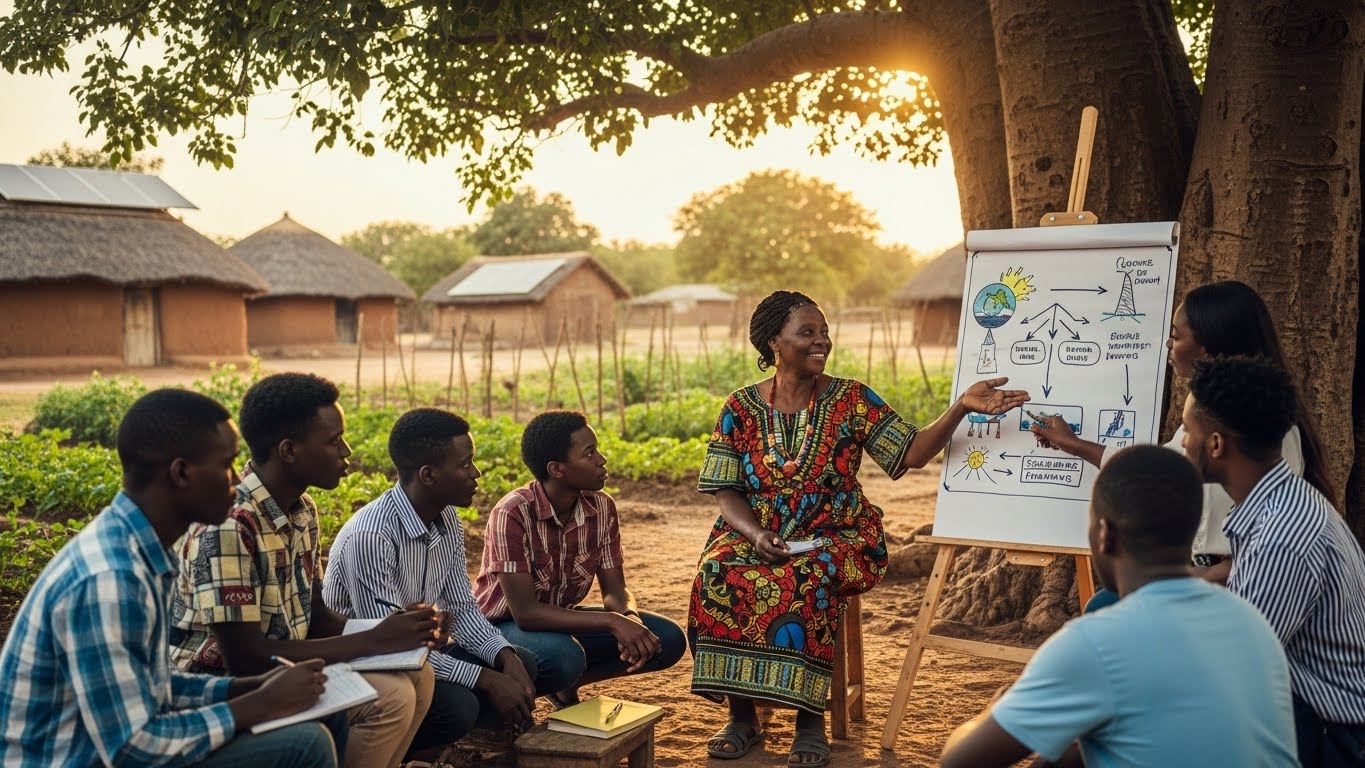
Key priorities are likely to include climate justice and fair financing, adaptation funding for droughts, floods, and food insecurity, and support for youth and community-led climate solutions.
African voices, especially grassroots and indigenous communities, will play a crucial role in shaping narratives around equity and resilience.
The Role of Civil Society and Storytelling
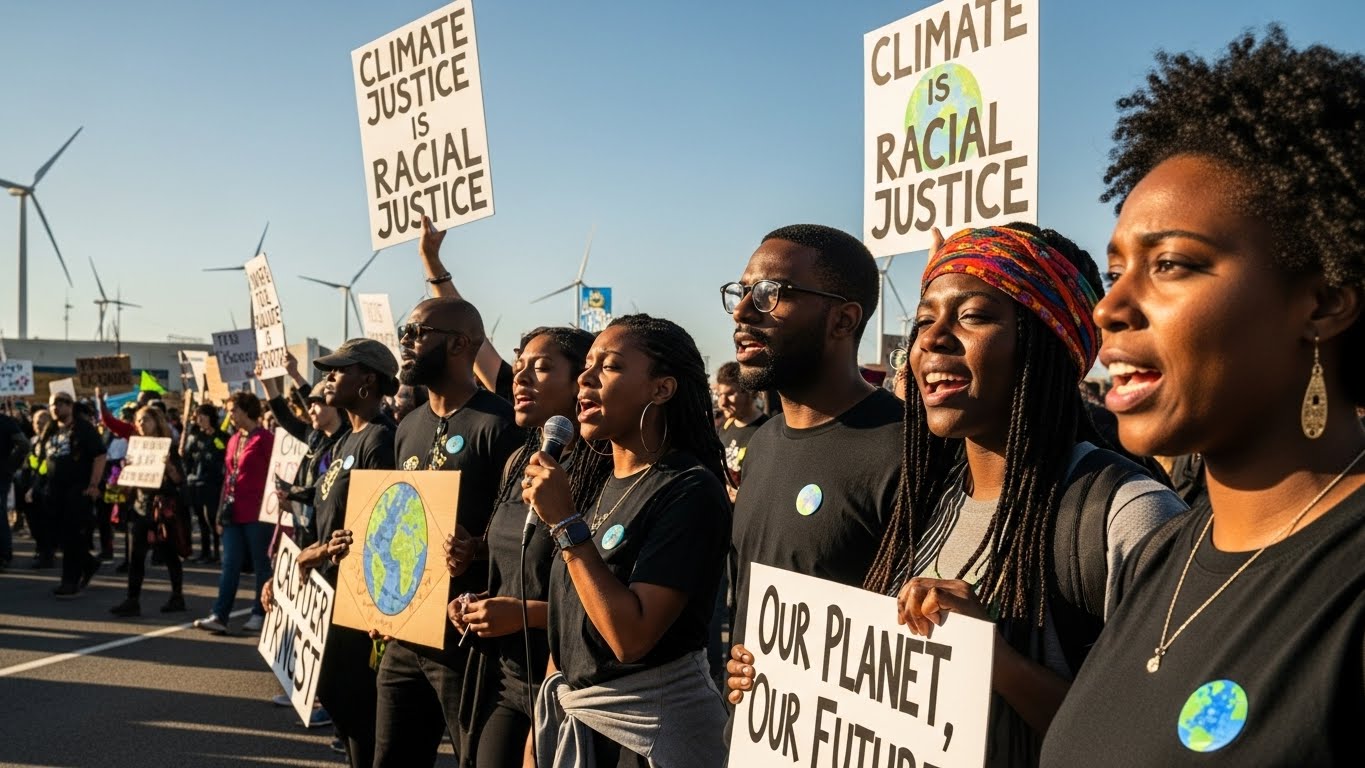
Beyond negotiations, COP31 will also be a space for activism, storytelling, and public accountability.
Movements, media platforms, and initiatives will be essential in translating policy into human stories, amplifying frontline voices, and holding leaders accountable.
This is where climate storytelling communities become powerful, bridging the gap between policy and lived experience.
Challenges Ahead
COP31 faces several major risks.
These include weak consensus on fossil fuels, insufficient climate finance, political fragmentation, and persistent implementation gaps.
If these challenges are not addressed, COP31 risks becoming another symbolic gathering rather than a turning point.
A Defining Moment
COP31 is not just another annual meeting. It represents a critical inflection point.
The world is no longer asking what should be done. The question now is whether it will actually be done.
From Antalya, the global community must move beyond declarations and deliver real change, because the window for action is no longer narrowing, it is closing.
Final Thought
COP31 will be judged not by speeches or agreements, but by what happens after.
If it succeeds, it could mark the beginning of a new era of climate accountability. If it fails, it will deepen the gap between ambition and reality.
Either way, the stakes have never been higher.
By Blair Nyagaka