When we talk about climate adaptation, we often think of technology, big data, or government policies. What is less recognized but equally powerful is the centuries-old knowledge that Indigenous communities have used to live in balance with nature. Indigenous knowledge is one of the most effective and underutilized tools in climate adaptation. It is grounded in careful observation of local ecosystems, passed down through generations, and embedded in cultural practices and collective memory.
This knowledge is not just tradition; it is evidence-based and location-specific insight that helps communities respond to climate change in ways that are practical, sustainable, and resilient. Incorporating Indigenous knowledge into climate adaptation strategies strengthens communities and promotes environmental stewardship.
Understanding Indigenous Knowledge in Climate Adaptation
Indigenous knowledge refers to the understandings, skills, and practices developed by societies with long histories of interaction with their natural environments. These systems are dynamic and adapt over time as communities respond to environmental changes. Indigenous knowledge includes a variety of techniques and practices, such as seasonal calendars based on environmental cues, traditional land and water management, locally adapted crop varieties, and early warning systems for droughts, floods, or storms.
This knowledge is holistic. Instead of isolating individual components of the environment, it views ecosystems as interconnected networks. For example, Indigenous agricultural systems often consider soil health, water availability, biodiversity, and climate patterns together to ensure sustainable yields. This holistic approach contrasts with some modern interventions that focus only on technological or singular solutions.
The Importance of Indigenous Knowledge for Climate Adaptation
Local specificity is one of the greatest strengths of Indigenous knowledge. Communities that have lived in an ecosystem for generations understand its seasonal patterns, water cycles, soil behavior, and plant and animal interactions in ways that scientific data alone may not capture. These communities are often the first to notice environmental shifts and develop adaptive strategies in response.
Indigenous practices are also proven methods for building resilience. Agroforestry, for example, integrates trees within farmland to increase moisture retention, prevent erosion, and support biodiversity. Mixed cropping systems enhance resilience to droughts, pests, and disease. Soil and water conservation techniques, such as terracing, contour farming, and stone bunds, help maintain soil fertility and manage water resources effectively.
In addition to resilience, Indigenous knowledge contributes significantly to biodiversity conservation. Many Indigenous territories overlap with regions of high ecological value. Practices such as sacred groves, protected hunting zones, and rotational farming have conserved species and ecosystems long before modern conservation initiatives.
Indigenous communities have also developed sophisticated early warning systems for climate risks. Changes in plant flowering, animal migration patterns, or river behavior are often used as indicators of droughts or floods. These observation systems are finely tuned to local conditions and can complement modern meteorological predictions.
Case Studies of Indigenous Knowledge in Action
In Kenya, pastoralist communities like the Maasai and Borana have developed rotational grazing practices to protect pastureland and water sources. These systems prevent overgrazing, maintain soil moisture, and create multiple grazing zones that livestock can move between during unpredictable weather. Communities also rely on seasonal calendars based on wind patterns, animal behavior, and plant life to make decisions about herd movement, helping them manage climate variability effectively.
In Indonesia, the Indigenous Peoples’ Alliance of the Archipelago supports local communities in protecting land and traditional practices. They assist with mapping territories, legal recognition of land rights, and climate adaptation strategies grounded in Indigenous knowledge. Securing land rights ensures that communities can continue their stewardship of forests and other ecosystems critical for climate resilience.
Cultural Survival, an international organization, works with Indigenous communities to defend human rights and support development initiatives. They prioritize protecting Indigenous knowledge as a core component of climate adaptation, helping communities document and share their practices while maintaining agency and ownership over their cultural heritage.
TerrAfrica, a partnership platform in Africa, promotes sustainable land and water management. Their approach includes Indigenous techniques such as conservation agriculture, soil and water retention structures, and community-led watershed management. These methods combine traditional wisdom with scientific techniques to create locally relevant adaptation solutions.
The International Indigenous Peoples Forum on Climate Change brings Indigenous voices to global climate negotiations, advocating for the recognition of traditional knowledge as essential in adaptation planning. They ensure that Indigenous perspectives are included in decision-making at international levels, giving communities the platform to influence policies affecting their lands and livelihoods.
Challenges and Barriers
Despite its effectiveness, Indigenous knowledge is often marginalized. Many national and international climate policies prioritize scientific data over community-based knowledge, excluding Indigenous voices from decision-making. Language barriers can also limit the recognition of oral traditions and locally held knowledge, and there is a risk of misappropriation if practices are extracted without consent. Cultural erosion caused by migration, land dispossession, or generational change can further weaken the transmission of traditional knowledge.
Integrating Indigenous Knowledge with Modern Climate Science
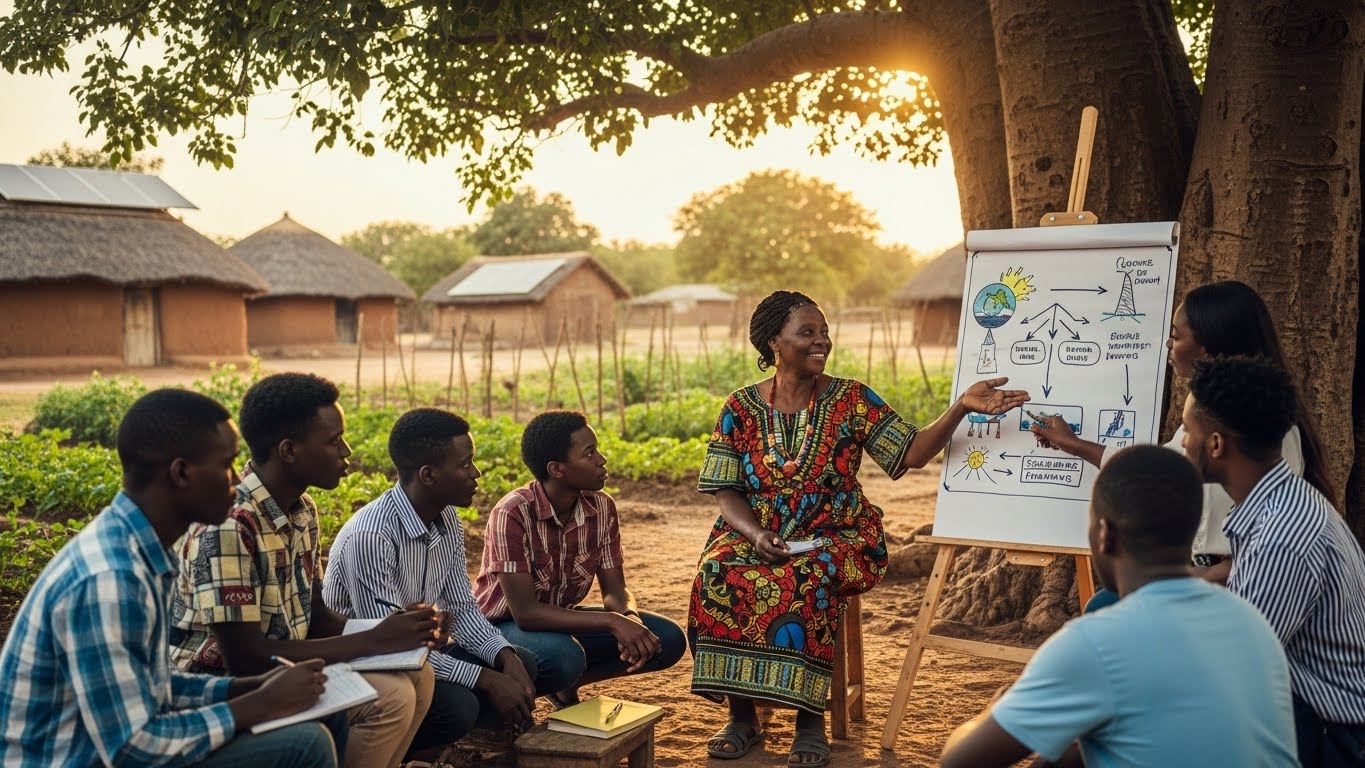
The most effective climate adaptation strategies often emerge when Indigenous knowledge and scientific research are combined. Using traditional seasonal calendars alongside weather forecasts improves agricultural planning. Water harvesting methods developed over generations can be paired with hydrological models to manage scarce water resources. Participatory mapping can help communities identify local climate risks while integrating satellite data.
These hybrid approaches respect Indigenous knowledge while enhancing resilience through additional scientific tools. They ensure that adaptation strategies are grounded in lived experience, context-specific, and culturally appropriate.
Moving Forward
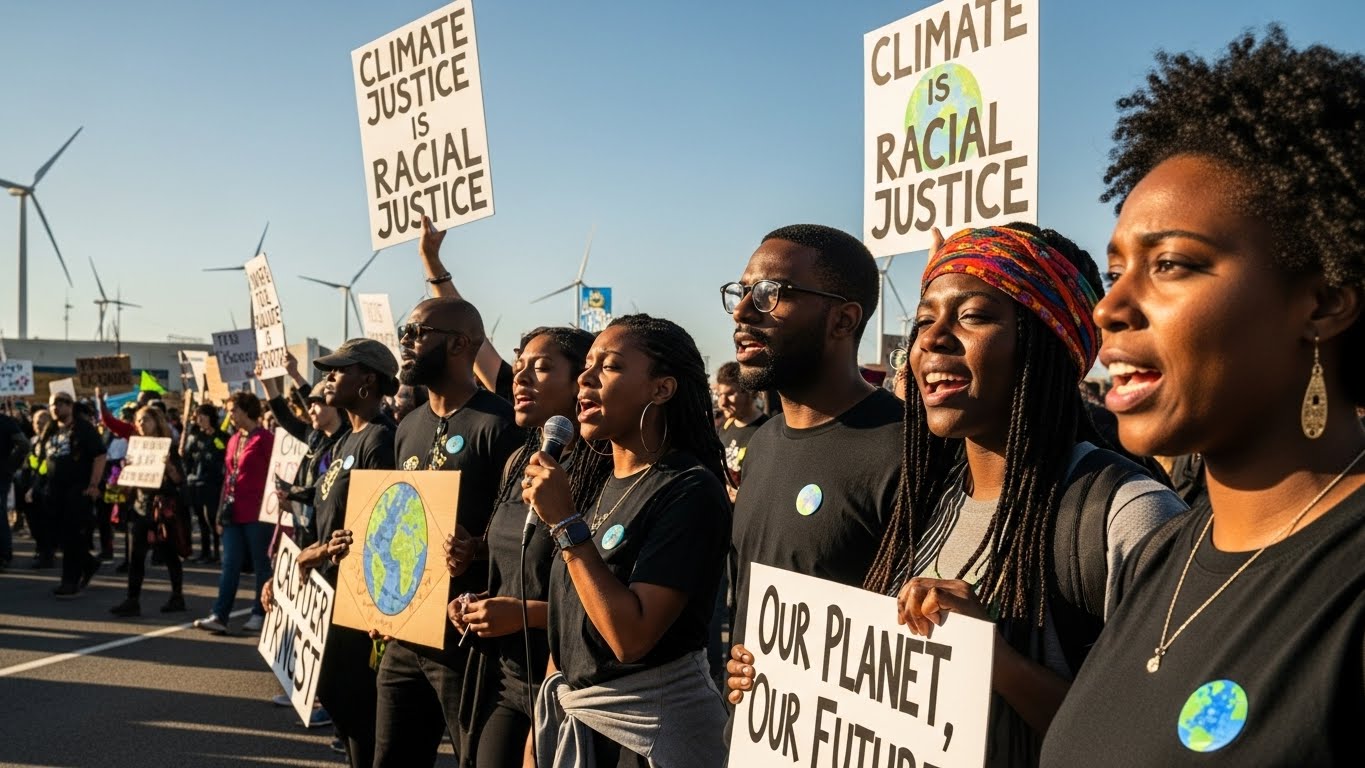
Climate change is accelerating, and conventional top-down solutions alone are insufficient. Indigenous knowledge offers context-specific strategies that are already tested and refined through generations. Valuing this knowledge is not only effective but also a matter of justice. Communities that have cared for the land for centuries deserve recognition, protection, and inclusion in shaping climate futures.
Supporting Indigenous knowledge requires policy changes that recognize land rights, funding for community-led adaptation projects, platforms for sharing knowledge, and protection of cultural practices. When Indigenous voices are integrated into climate adaptation planning, solutions are more resilient, equitable, and sustainable.
Conclusion
Indigenous knowledge is not a relic of the past; it is a living set of strategies for climate adaptation that communities around the world rely on every day. As climate impacts intensify, honoring and integrating this knowledge will be essential for building adaptation strategies that are effective, just, and sustainable. Indigenous communities have long understood that people and the environment are inseparable. Today, their wisdom offers a path forward for everyone seeking to adapt to a changing climate while protecting the Earth for future generations.