
Climate change is not only a scientific or political issue. It is, at its core, a story problem. The way we understand climate change, who we see as responsible, and what solutions we imagine are all shaped by narratives. Climate storytelling and narrative justice sit at the intersection of communication, power, and social change. They ask a fundamental question: whose stories are being told, and whose are being ignored?
What is Climate Storytelling?
Climate storytelling is the practice of using human-centered narratives to communicate the realities, impacts, and solutions of climate change. Unlike technical reports or policy briefs, storytelling translates complex environmental issues into lived experiences that people can relate to.
Stories are uniquely powerful because they engage emotion, memory, and imagination simultaneously, making climate issues feel immediate and personal rather than abstract. In recent years, storytelling has become a critical strategy for shifting public perception and inspiring action, especially among audiences who may feel disconnected from scientific data.
At its best, climate storytelling does three things:
- Makes the invisible visible
- Connects global crises to local realities
- Transforms audiences from passive observers into active participants
From Climate Communication to Narrative Justice
Narrative justice goes a step further. It is not just about telling stories, but about correcting imbalances in whose stories are heard and valued.
Historically, dominant climate narratives have often centered:
- Scientific consensus and abstract data
- Catastrophic “doom and gloom” futures
- Global perspectives that overlook local realities
While important, these narratives have frequently excluded frontline communities, particularly Indigenous peoples, Black communities, and those in the Global South. Narrative justice seeks to shift that.
It emphasizes that climate change is also an issue of inequality and lived experience. Communities that contribute the least to emissions often face the greatest impacts, yet their voices are the least represented in global discourse.
Narrative justice therefore means:
- Centering marginalized voices
- Recognizing communities as knowledge holders, not victims
- Challenging harmful or incomplete narratives
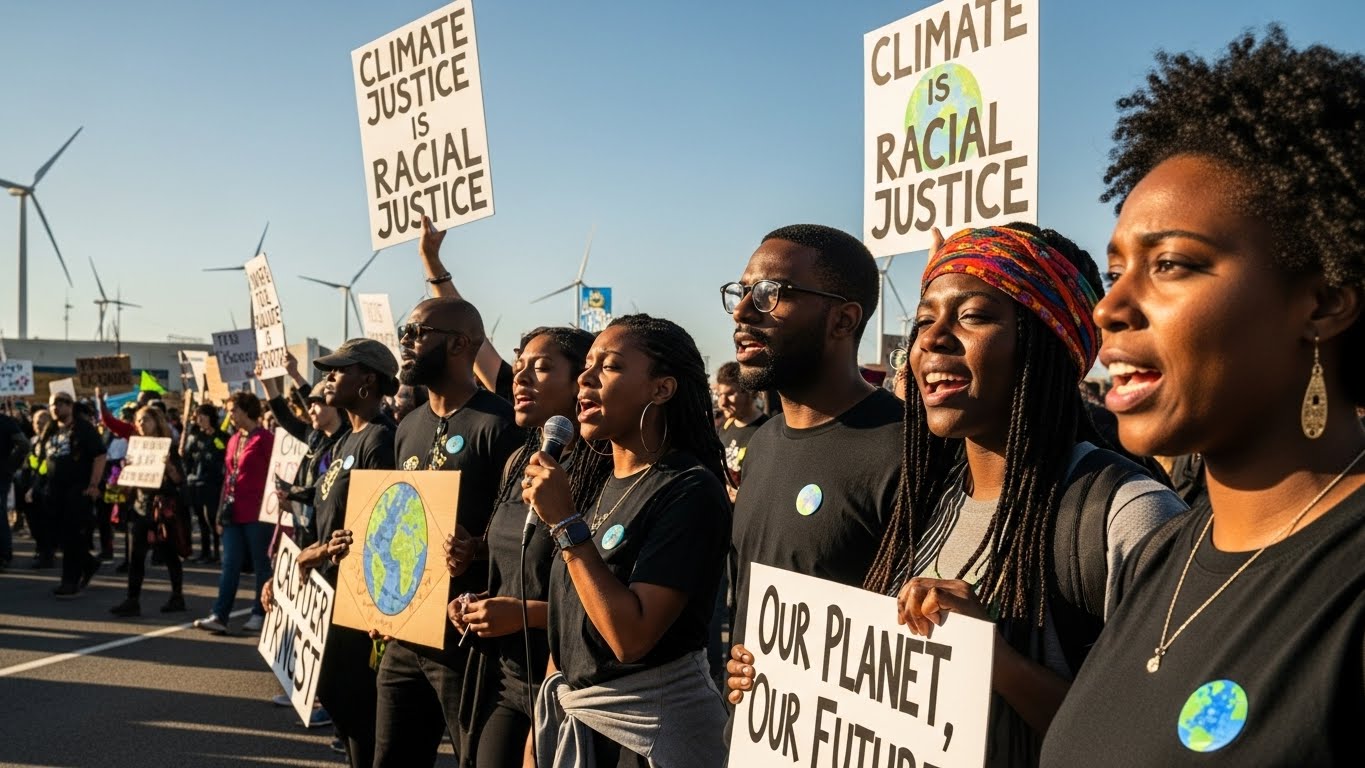
- Reframing climate change as a justice issue, not just an environmental one
Why Narratives Matter More Than Ever
Narratives are not neutral. They shape culture, policy, and behavior over time. Repeated stories become “common sense,” influencing what societies believe is possible or necessary.
In the climate space, this has real consequences:
- If the dominant story is “individual responsibility,” systemic change is ignored
- If the story is “economic growth versus environment,” policy stalls
- If the story is “too late to act,” people disengage
On the other hand, new narratives can unlock action. Moving from fear-based messaging to solutions-focused storytelling has been shown to increase engagement and hope.
The Shift: From Doom to Justice and Solutions
The climate movement is undergoing a narrative transformation. Earlier messaging focused heavily on fear and urgency. Today, there is a growing shift toward justice, agency, and solutions.
This evolution includes:
- First-person accounts from affected communities
- Clear identification of power structures such as fossil fuel systems
- Stories of resistance, resilience, and collective action
This shift matters because people are more likely to act when they see themselves in the story and believe change is possible.
Real World Examples of Climate Storytelling and Narrative Justice
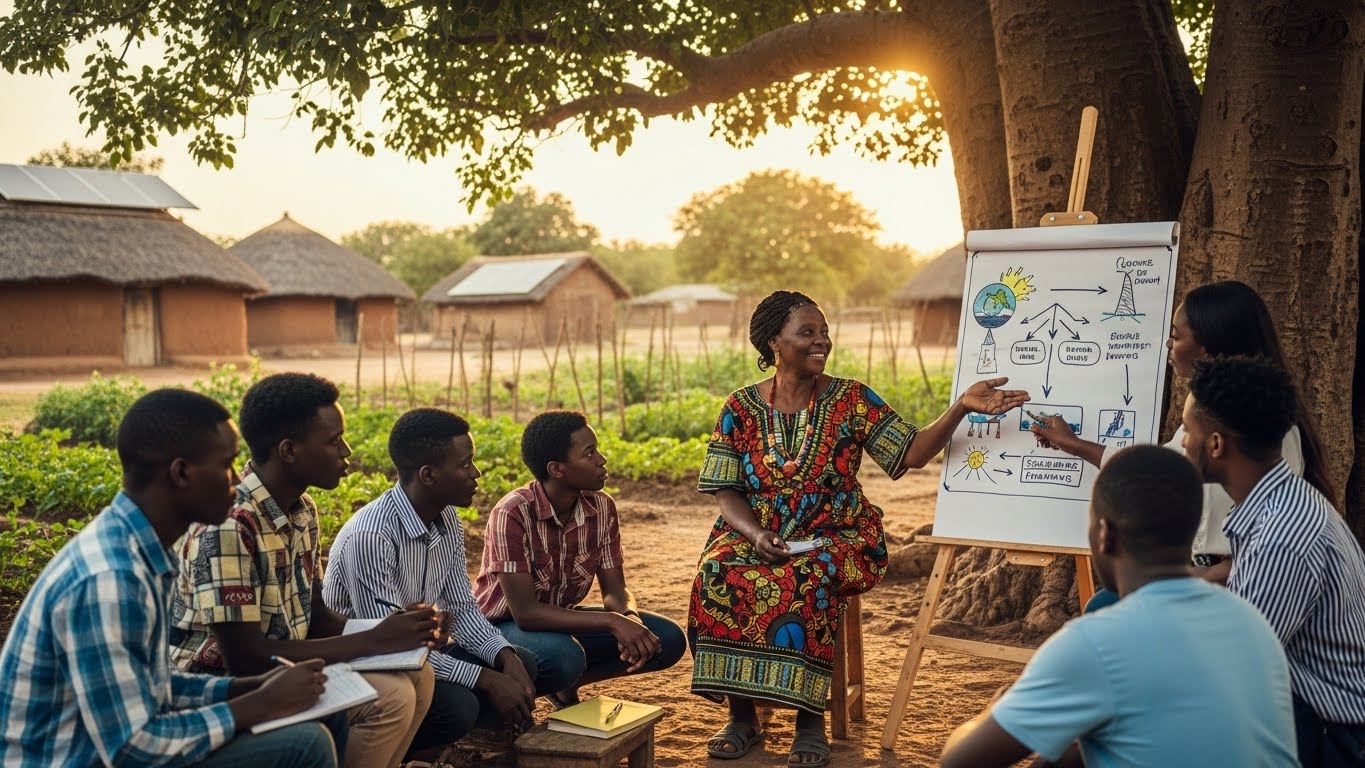
1. Community Storytelling in Kenya
In Kenya, participatory storytelling has been used to communicate climate resilience in deeply local ways.
Examples include:
- Farmers sharing experiences of changing rainfall patterns
- Pastoralists documenting drought and migration
- Communities explaining adaptation strategies in their own words
These stories do more than inform. They build trust, preserve local knowledge, and inspire collective action at the grassroots level.
2. Indigenous Storytelling and Resistance
Across the world, Indigenous communities are using storytelling to document environmental harm and assert their rights.
Participatory storytelling initiatives enable communities to create their own media, from short films to digital archives. This ensures that stories are told with communities, not about them.
These narratives often:
- Highlight the deep cultural and spiritual connection to land
- Expose environmental injustices caused by extractive industries
- Offer alternative visions of sustainability rooted in tradition
3. Digital Storytelling for Environmental Justice
Digital storytelling has emerged as a powerful tool for amplifying marginalized voices. Through short, first-person videos and social media, individuals can share their lived experiences in ways that are both emotionally compelling and widely accessible.
Examples include:
- Youth documenting air pollution in their neighborhoods
- Coastal communities sharing stories of rising sea levels
- Women describing the gendered impacts of climate change
These stories often travel far beyond their original communities, influencing public conversations and even policy spaces.
4. Reframing Climate Inequity Through Solutions
A growing number of initiatives are shifting narratives from victimhood to agency. Instead of portraying communities as helpless, they highlight local innovation and leadership.
Grassroots solutions such as community-led renewable energy projects and locally driven adaptation strategies challenge the idea that change must come from large institutions alone.
This reframing is central to narrative justice. It restores dignity and positions communities as protagonists rather than passive recipients.
The Role of Media, Culture, and Pop Culture
Climate narratives are not only shaped by activists and researchers. Media, films, and cultural platforms play a significant role in shaping how society perceives climate change.
However, climate representation in mainstream media remains limited. When it does appear, it is often simplified or disconnected from real lived experiences.
When done well, cultural storytelling can:
- Normalize climate conversations
- Reach audiences beyond traditional advocacy spaces
- Shape long-term attitudes and behaviors
This highlights the need for more diverse voices and authentic storytelling across media platforms.
Key Principles of Effective Climate Storytelling
Across research and practice, several principles consistently emerge:
Center lived experience
Stories grounded in real people and places are more relatable and impactful
Embrace participation
Communities should be active creators, not subjects of stories
Highlight systems, not just symptoms
Effective narratives connect personal experiences to broader structural issues
Balance urgency with hope
Fear alone can paralyze, but hope motivates action
Reflect complexity and truth
Climate stories should acknowledge uncertainty, emotion, and nuance
Challenges and Risks
While storytelling is powerful, it also comes with challenges:
- Oversimplification can erase complexity
- Exploitation can occur if stories are extracted without consent
- Narrative fatigue can lead to disengagement
- Competing narratives and misinformation can distort public understanding
This makes ethical storytelling and narrative integrity essential.
The Future of Climate Storytelling
The future of climate action will depend not only on technology or policy, but on narrative transformation.
Emerging directions include:
- Personalized climate narratives that connect global issues to local realities
- Youth-led storytelling movements reshaping public discourse
- Cross-cultural collaborations amplifying diverse voices
The goal is not just better communication, but deeper cultural change.
Conclusion: Storytelling as Climate Action
Climate storytelling and narrative justice remind us that stories are not just reflections of reality. They are tools that shape reality.
They influence what we believe, what we value, and what we are willing to fight for.
In a world facing a climate crisis, storytelling becomes more than communication. It becomes a form of power. A way to challenge injustice. A way to imagine new futures.
And perhaps most importantly, a way to remind people that they are not just witnesses to climate change, but authors of what comes next.